Rana
My Tender MatadorRana is a veteran of street life who becomes both a practical benefactor and a chosen mother to the Queen of the Corner. She gives the younger woman shelter, food, sobriety-minded counsel, and the skill of embroidery, helping her exchange precarious hustling for paid work. Their relationship is not a simple story of rescue: the Queen’s success eventually costs Rana clients and provokes a violent rupture, yet affection and forgiveness bring them back together. When Rana recognizes the danger of the Queen’s attachment to Carlos, her maternal protectiveness sharpens into a warning that anticipates their separation.
Identity and Place in the Community
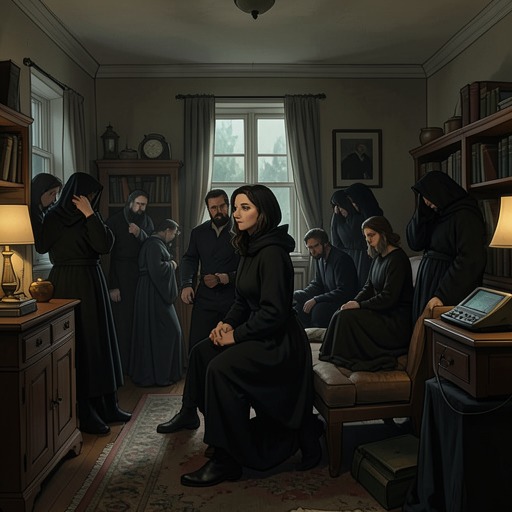
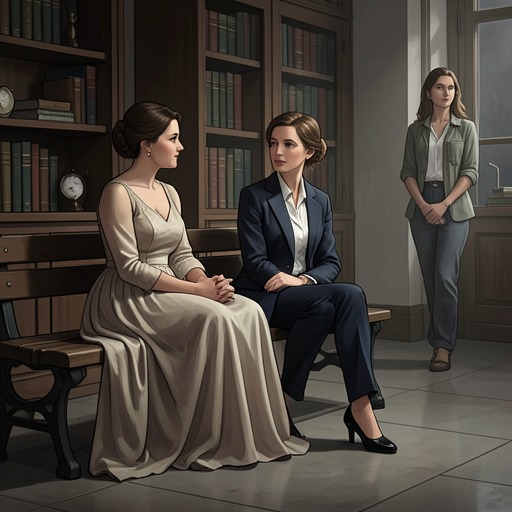
Rana is one of the Queen of the Corner’s closest friends, part of a small circle that also includes Lupe and Fabiola. The three share a house in Recoleta, in a poor neighborhood of tenement buildings, alleyways, and liquor stores. Rana and Fabiola have retired from street hustling but remain connected to its informal economy; their home is a gathering place where men in difficult circumstances are drawn in by Lupe and find company with the women. The Queen visits less often than her friends would like, and their teasing makes clear that they know both her habits and her romantic preoccupations.
Rana’s humor and commanding manner coexist with a capacity for tenderness. She jokes about the Queen’s university boyfriend and her more comfortable home, but beneath the sarcasm is an old, intimate bond. The Queen tolerates the teasing because the friendship has accumulated years of affection, while Rana’s earlier care gives her a claim on the Queen’s gratitude that neither woman can entirely ignore.
Shelter, Care, and a Livelihood
When the Queen was destitute and living on the street, Rana was the only person who offered her somewhere to stay and a plate of food. She urged her to stay alive, reduce her drinking, and avoid drugs, reminding her that youth and the presence of men seeking company could offer a way forward. Her care was practical rather than sentimental: she made the Queen bathe, lent her clean clothes, and burned the lice-infested rags she had been wearing.
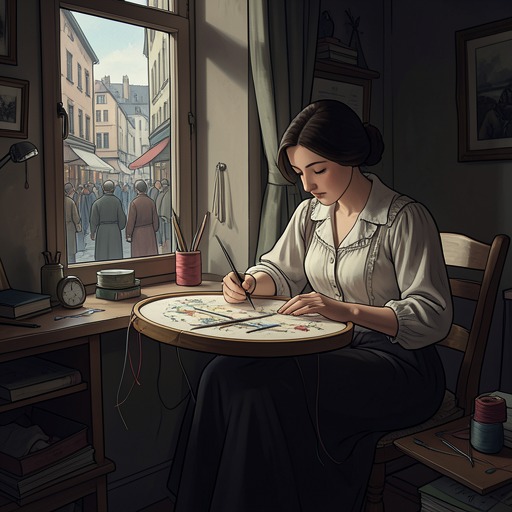
Rana then gave her work. She placed a sheet, needle, and colored thread in the Queen’s hands and taught her to embroider, answering her fear that she could not learn because she barely knew how to write. Rana explained that the stitches had to be small and follow a design, and that observation could teach a skill. The Queen quickly mastered cross-stitch, running stitch, and fill stitch, producing napkins, tablecloths, and sheets with increasing skill.
The work changed the Queen’s economic circumstances. Ritzy shops and aristocratic families ordered her embroidery, and she began receiving well-paid commissions. Rana’s help had given her a means of earning a living beyond street hustling, but the Queen’s growing reputation also brought her into direct competition with her benefactor. Rana was half blind and working less carefully; former clients began choosing the Queen for exclusive designs. Thus the skill that enabled the Queen’s independence also unsettled the relationship that had made it possible.
Rupture and Reconciliation
The conflict breaks into the open when the Queen arrives at Rana’s house carrying packages and new work orders. Rana accuses her of betraying the person who sheltered, fed, and taught her. The Queen’s reply—that nobody had forced Rana to help—rejects the idea that care created a debt of obedience. Rana attacks her and throws her out, marking the collapse of their household intimacy and leaving the Queen alone for months without seeing her friends.
The separation does not become permanent. The Queen returns one morning with a dozen pastries, choosing a small, familiar offering rather than an argument about who was right. Rana initially challenges her presence, but pity or affection softens her response; she invites the Queen inside and resumes the ironic, imperious manner that had characterized their friendship. The reconciliation does not erase the beating or settle the economic grievance. Instead, it shows that their bond can contain injury and resentment without being reduced to either.
Afterward, the Queen visits the house frequently. Rana and Lupe tease her about Carlos, whose name has become a recurring subject in their conversations. Lupe recalls the picnic when Carlos rubbed his knee against the Queen’s leg and urges her to have made a move; the Queen thinks Lupe does not understand the situation. The Queen’s visits therefore renew the friendship while also exposing the limits of what she chooses to tell her friends about her attachment to Carlos.
Maternal Counsel About Carlos
When the Queen brings Carlos to visit, Rana welcomes him with warmth and performs the role of a mother receiving her daughter’s friend. She questions him about how long he has known the Queen and how they met. Once the Queen is in the kitchen, Rana speaks privately to Carlos: she loves the Queen as if she were her own daughter and asks him not to make her suffer or encourage hopes that cannot be fulfilled. Carlos nods, visibly moved, but does not explain the nature of his relationship with the Queen.
Rana’s warning is grounded in the Queen’s difficult history and her own recognition of the emotional imbalance. She is not simply jealous on the Queen’s behalf: later, when the three part, she tells the Queen not to fall in love because letting Carlos go will only become harder. The Queen responds angrily, asking whether Rana cannot believe that a man could love her. Rana answers that many men could, but not this one, and wonders why Carlos is leading her on. The Queen insists that Rana does not know their story and cannot tell her. Rana’s care is perceptive, but it cannot make the Queen disclose the secret or relinquish her hope.
The visit ends with affection and foreboding held together. Rana’s eyes fill with tears as she predicts that this will be the last time they see one another. Her prophecy follows an unusually happy afternoon, during which she and Carlos have laughed together; precisely because the visit has gone well, the impending separation feels sharper. Rana asks Carlos not to forget what she told him, and he quietly acknowledges the request. The Queen later claims that Rana had asked him for magazines, concealing the substance of their private conversation.
The Parting and Rana’s Lasting Role
When the Queen is preparing to leave, she visits Rana early in the morning with her belongings and unfinished work. She asks Rana to keep her things and finish the embroidery, explaining that Rana can use the extra money. She also leaves her radio for Rana to enjoy and tells her she may use anything else. The Queen cannot explain the circumstances, but says she must go because it is a matter of life and death. Rana tries to stop her until she hears this; the urgency remains unexplained to her.
Their farewell returns to the language of chosen kinship. The Queen loosens Rana’s grip, embraces and kisses her, and feels the heartbeat of the friend she sometimes affectionately calls Mama Rana. Rana stands in the doorway and waves as the Queen drives away. The unfinished work and the radio make the farewell concrete: the Queen leaves behind both a source of income and an object of companionship, entrusting them to the woman who once gave her a place to live and the means to work.
Rana’s role is defined by this mixture of material help, sharp humor, anger, and enduring attachment. She offers the Queen no permanent shelter from hardship, and her own economic dependence on clients makes the gift of training inseparable from later competition. Yet she remains the person who recognizes the Queen’s vulnerability, warns Carlos against exploiting it, and receives the Queen’s possessions when she must leave. Their relationship gives the novel a portrait of chosen family as an imperfect form of mutual care: capable of sheltering and teaching, of wounding, and of welcoming someone back without pretending that nothing happened.